The first question in almost every rack cabinet purchase is the same: how many U do I need? The answer is not a table but a two-line calculation — and on most projects, getting it wrong means buying a second cabinet six months later.
What exactly is 1U?
U is the height unit of the rack world, and it is not an arbitrary number: 1U = 44.45 mm, or 1.75 inches. The figure is fixed by the EIA-310 standard. The practical consequence is that a server occupying 2U occupies 2U in anybody's cabinet. U does not vary from manufacturer to manufacturer.
19 inches, by contrast, describes the mounting width rather than the height: the distance between the hole centres on the mounting rails is 482.6 mm. The cabinet's external width — 600 mm or 800 mm — is a separate measurement entirely, and it governs how much room the cable management at the sides gets, not the equipment.
Start by adding up the equipment in U
The calculation begins with what goes into the cabinet, not with the cabinet. Typical values:
| Equipment | Typical height |
|---|---|
| Patch panel (24 or 48 port) | 1U |
| Cable manager | 1U |
| Switch (24–48 port, fixed configuration) | 1U |
| Modular / chassis switch | 4–13U |
| Rack server | 1U, 2U or 4U |
| Blade chassis | 6–10U |
| Storage shelf | 2–4U |
| UPS | 1–3U, plus 2–6U for the battery pack |
| Fixed or sliding shelf | 1–2U |
| Console / KVM drawer | 1U |
One thing is easy to miss: cable managers and blanking panels consume U as well. A sound cabling plan that puts a manager under every patch panel doubles the space the panels alone would suggest. And empty U should be closed with blanking panels, or hot air finds its way back to the front of the cabinet.
The twenty-five percent rule
The number you have just added up is today's requirement. The cabinet will be there for five to ten years. The established practice is to add at least 25% to the figure you calculated. With a 20U load, look at cabinets starting around 28U rather than 24U.
That headroom is not only for new equipment. It comes from three places:
- Growth: every new floor on the network, every new camera group, is another patch panel.
- Service room: being able to rack a replacement server before removing the failed one takes downtime from hours to minutes. That needs empty U.
- Heat: a cabinet packed to the roof runs measurably hotter than the same equipment spread out.
Converting U to millimetres
The clear height of the mounting space is a simple multiplication:
| U | Mounting space (U × 44.45 mm) |
|---|---|
| 12U | 533 mm |
| 18U | 800 mm |
| 22U | 978 mm |
| 26U | 1,156 mm |
| 30U | 1,334 mm |
| 42U | 1,867 mm |
| 45U | 2,000 mm |
| 47U | 2,089 mm |
This is not the cabinet's external height. The figures above are the usable mounting space between the 19-inch rails. The overall external height adds the plinth, the roof panel and, where fitted, the castors. Always read the external dimensions from the product's own datasheet — that is the figure a drawing needs.
The room is a constraint too
A 47U cabinet always looks attractive on paper. On site it runs into three things:
- Doors and lifts: a cabinet travels upright. If the clear door height is less than the cabinet's height on its pallet, the cabinet never reaches the room. VATPAN cabinets can be shipped knocked down; in buildings with tight access that is a requirement, not a preference.
- Ceiling and cable tray: you need room above the cabinet for a fan unit, cable entry and service access. Measure the clear height below the tray, not to the suspended ceiling.
- Floor loading: a loaded 42U cabinet reaches 400–600 kg without difficulty. On a raised floor, check the panel's load rating.
Load capacity does not follow height
A common assumption is that a taller cabinet carries more. Load capacity is a function of the frame and the gauge of the rails, not of the number of U. The standard static load rating for VATPAN floor-standing cabinets is 400 kg; for heavy configurations the catalogue also holds a 42U 600×1000 mm body rated at 1,200 kg static. If you are working with fully populated disk shelves, that distinction matters more than the U count does.
A practical order of decisions
- Add up everything going into the cabinet today, in U. Do not forget the cable managers.
- Add 25%.
- Round up to the next standard height.
- Check room height, door width and floor loading.
- Verify the load rating separately — the U count does not tell you.
Which heights does VATPAN make?
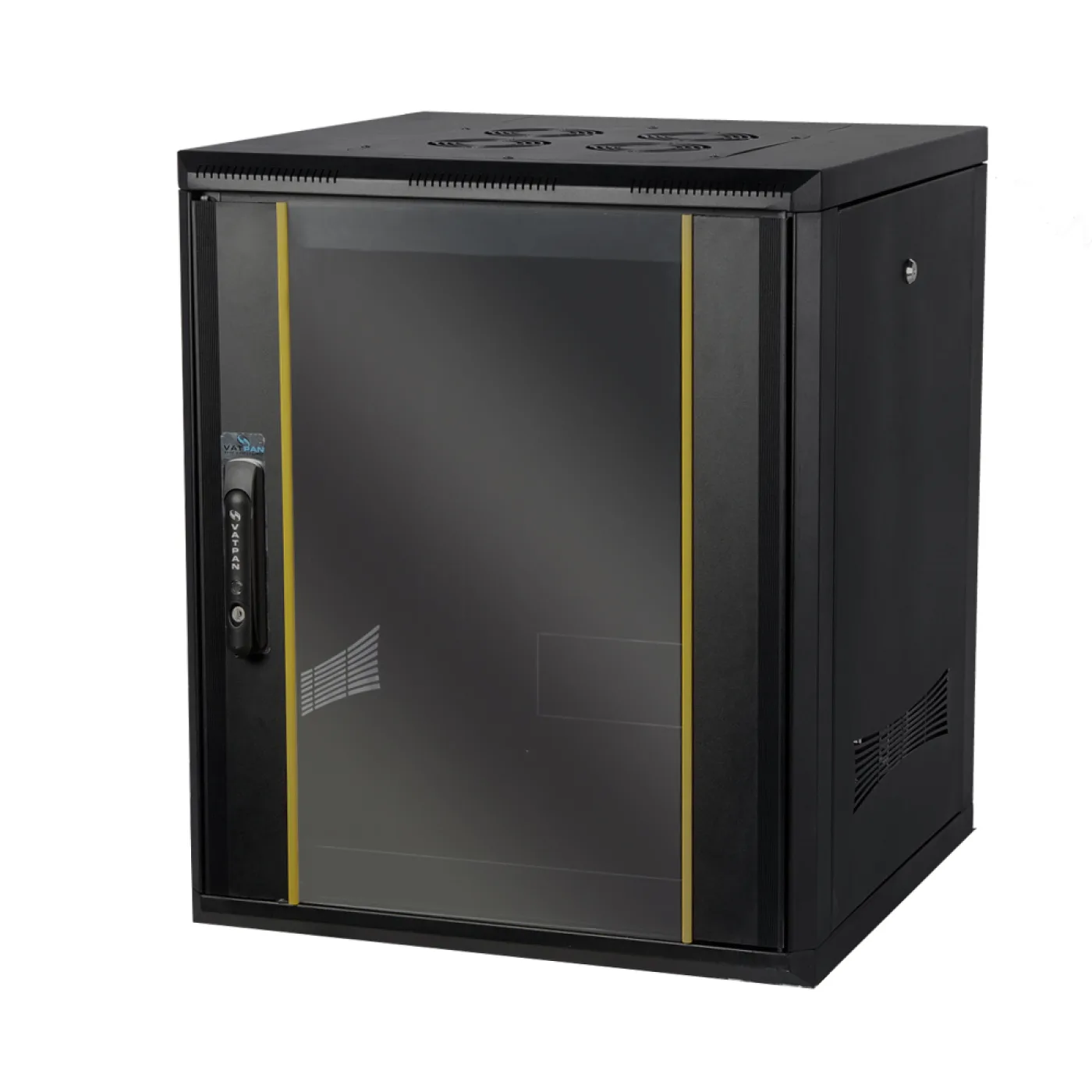
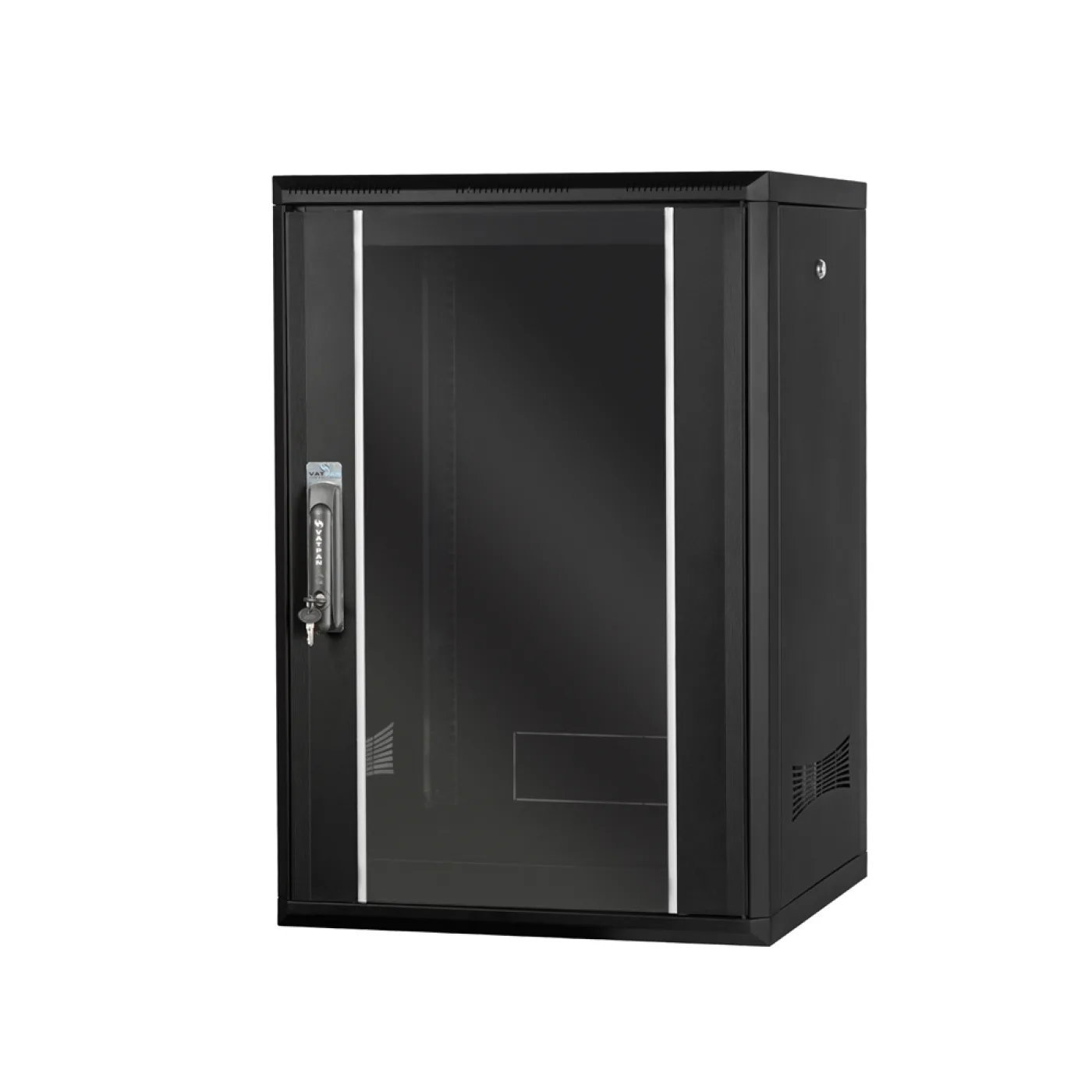
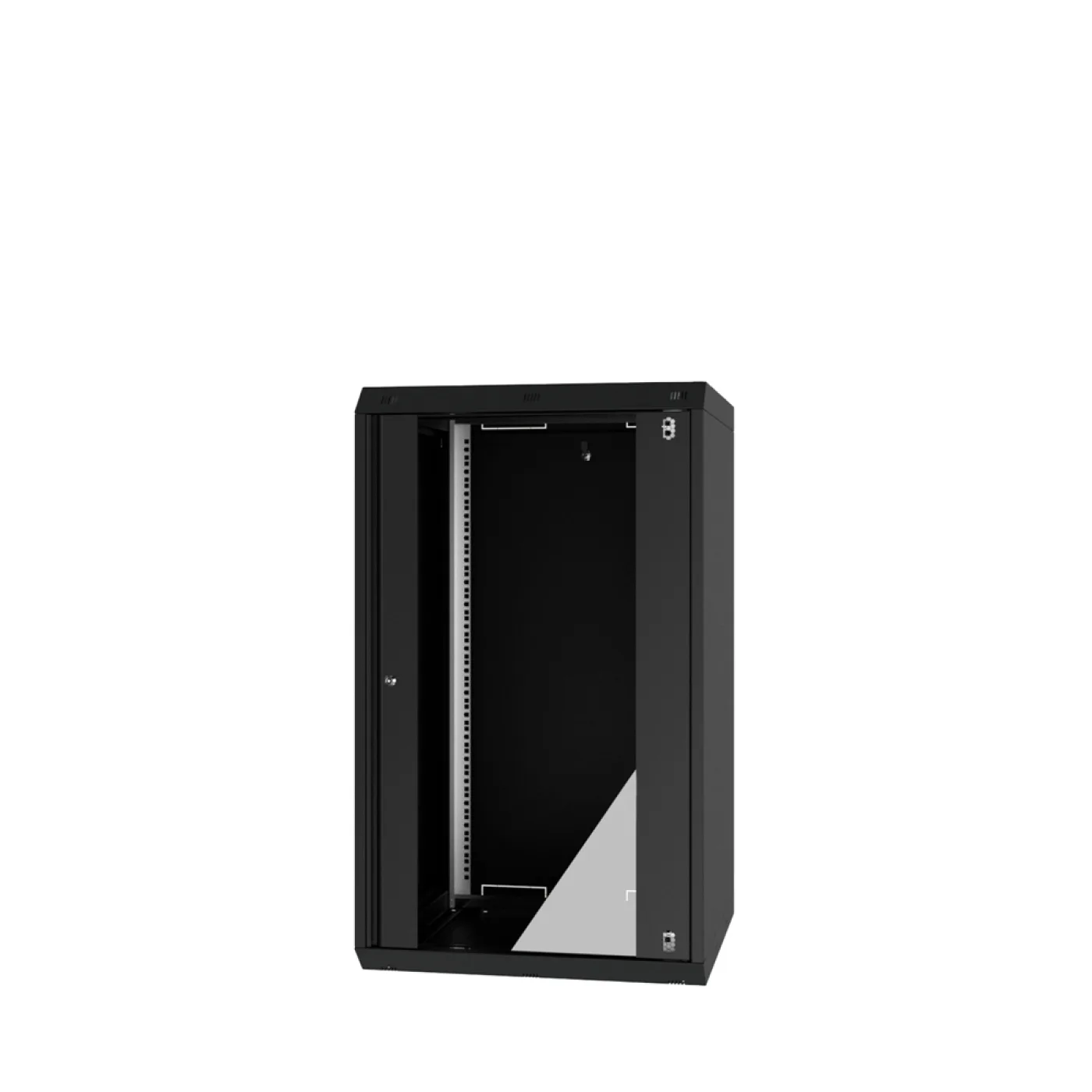
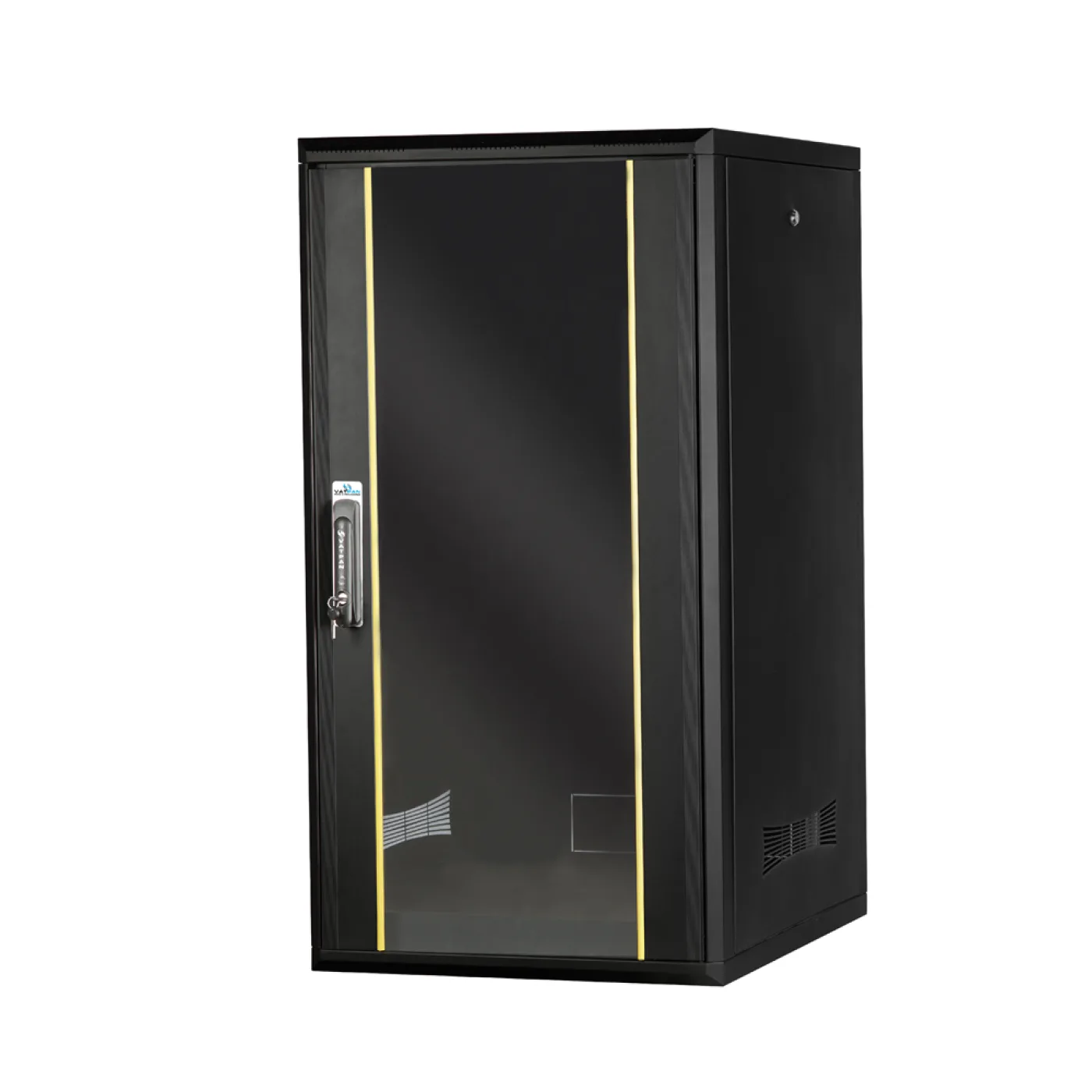
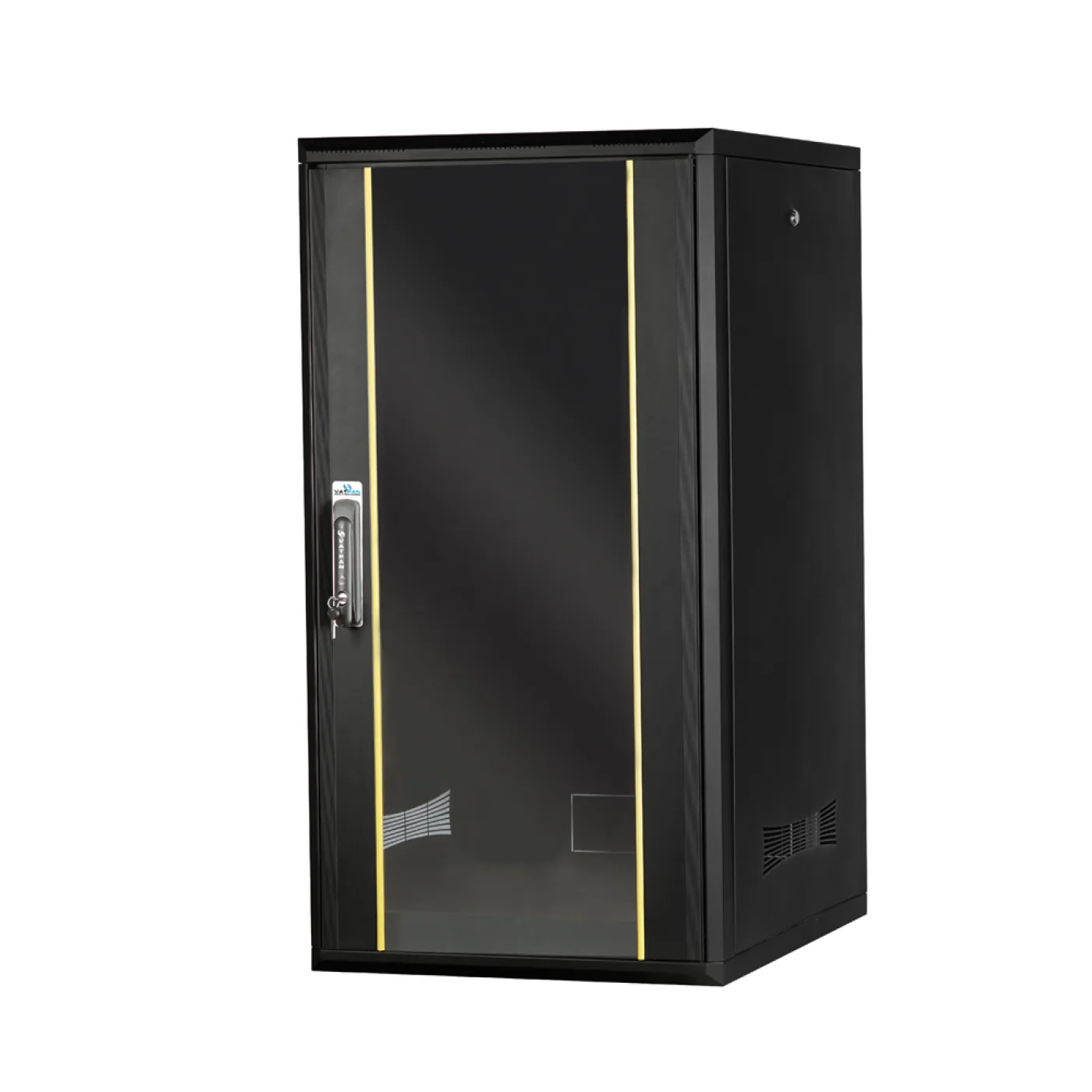
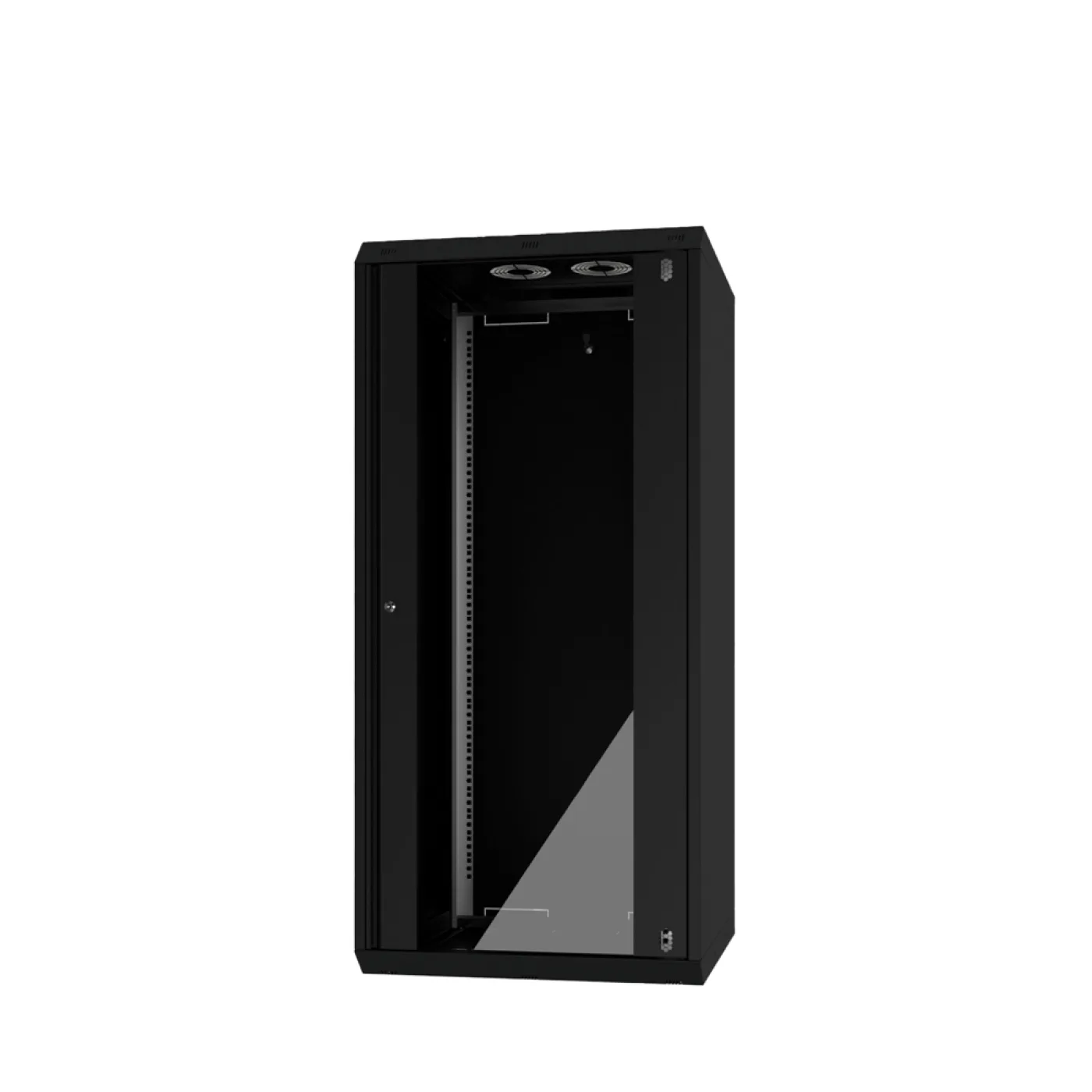
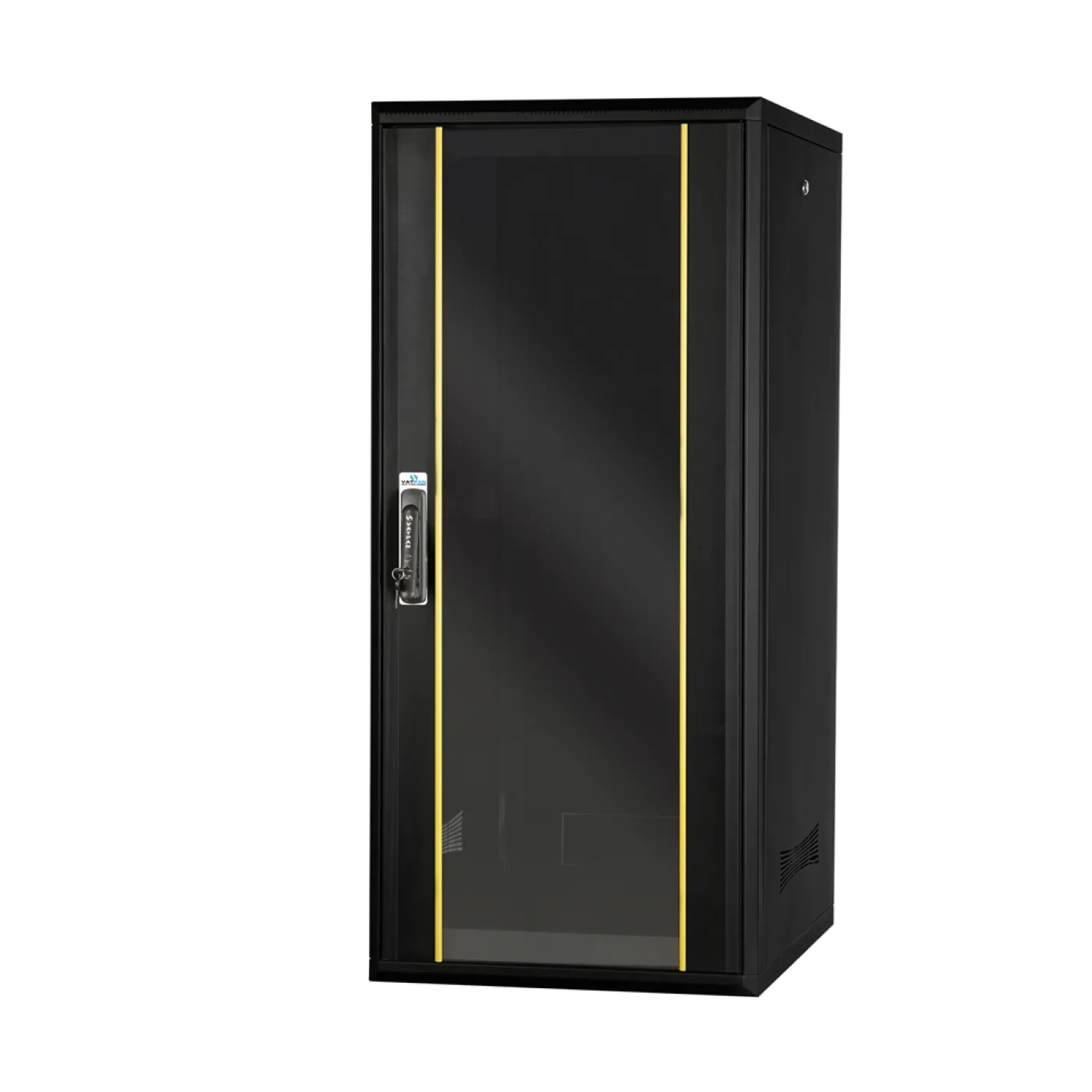
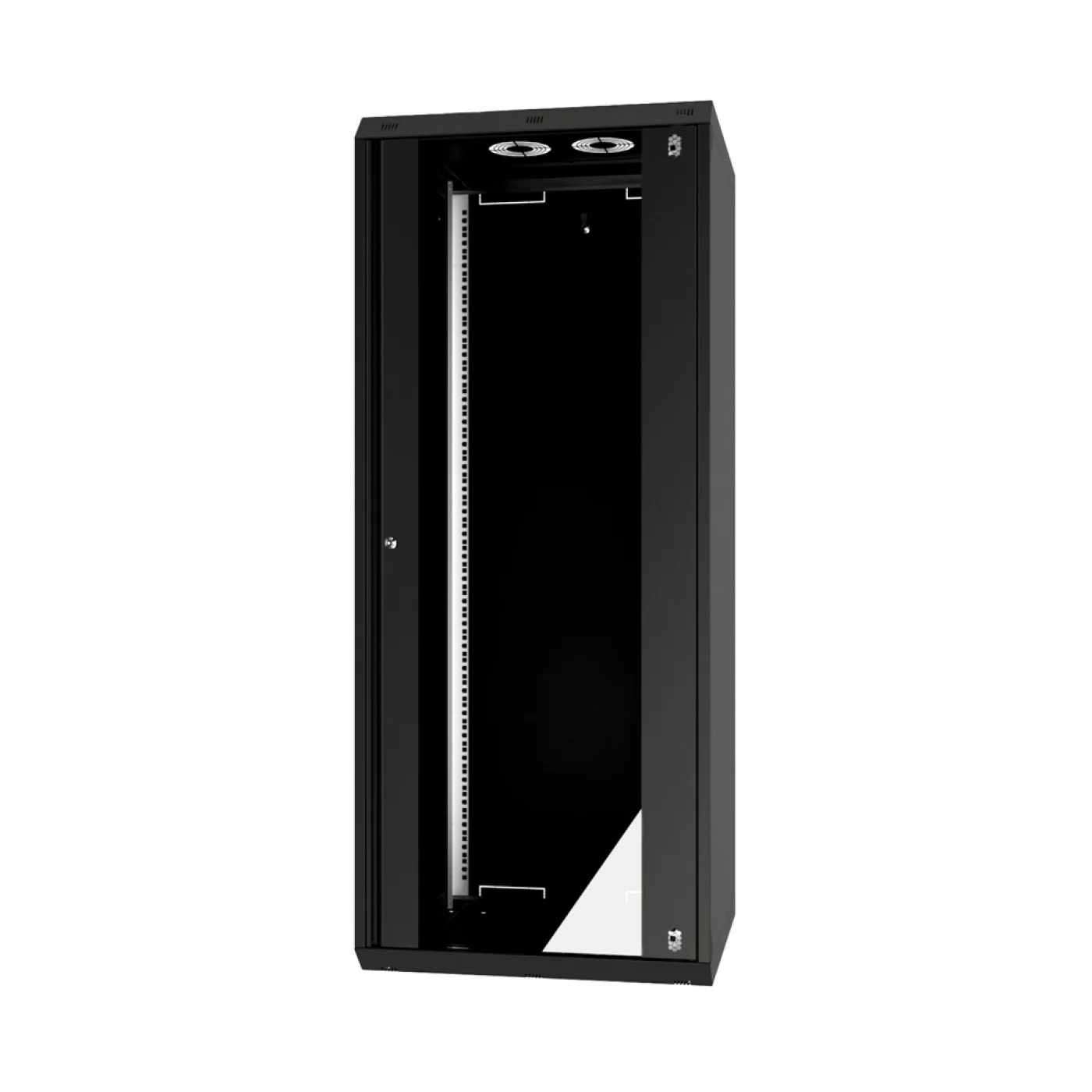
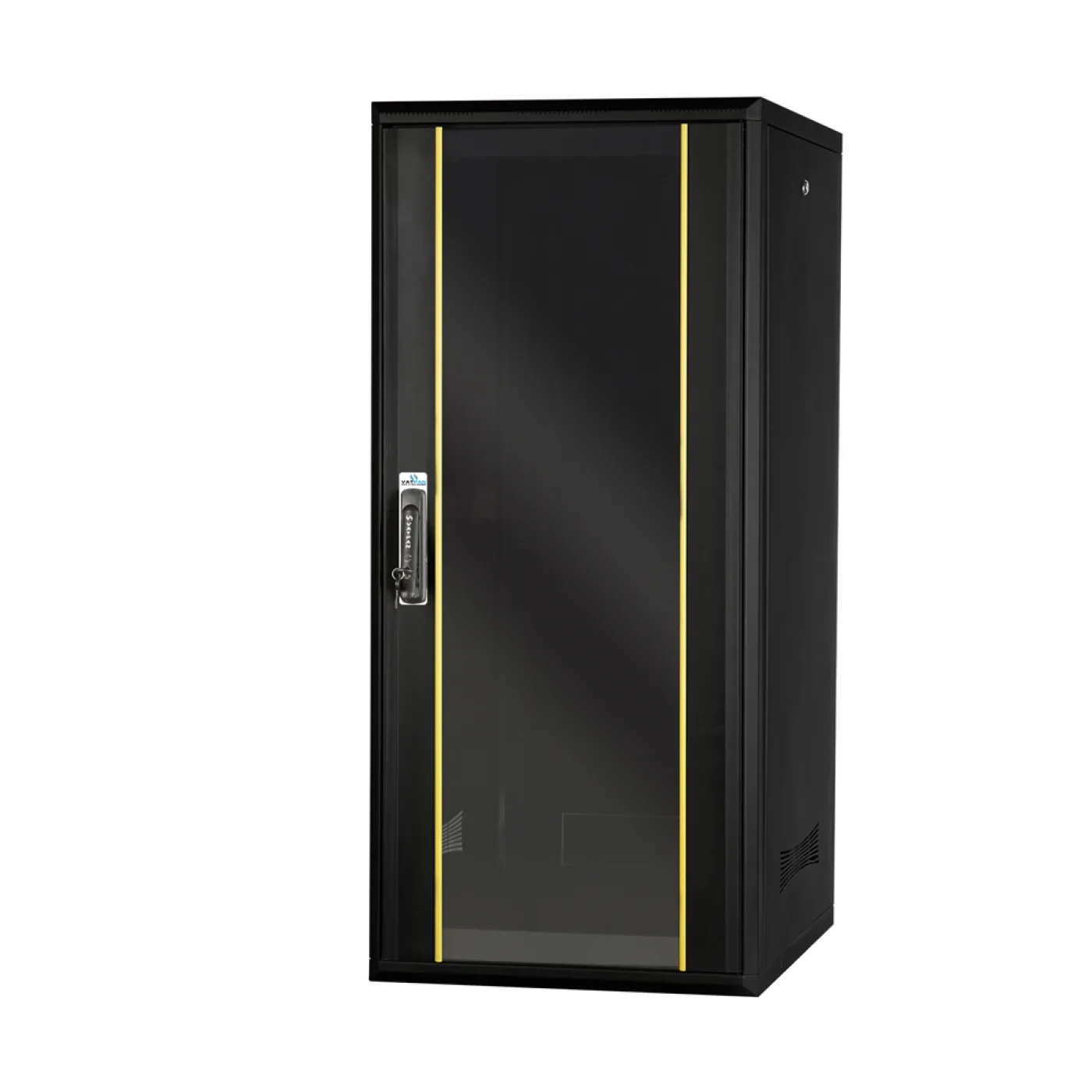
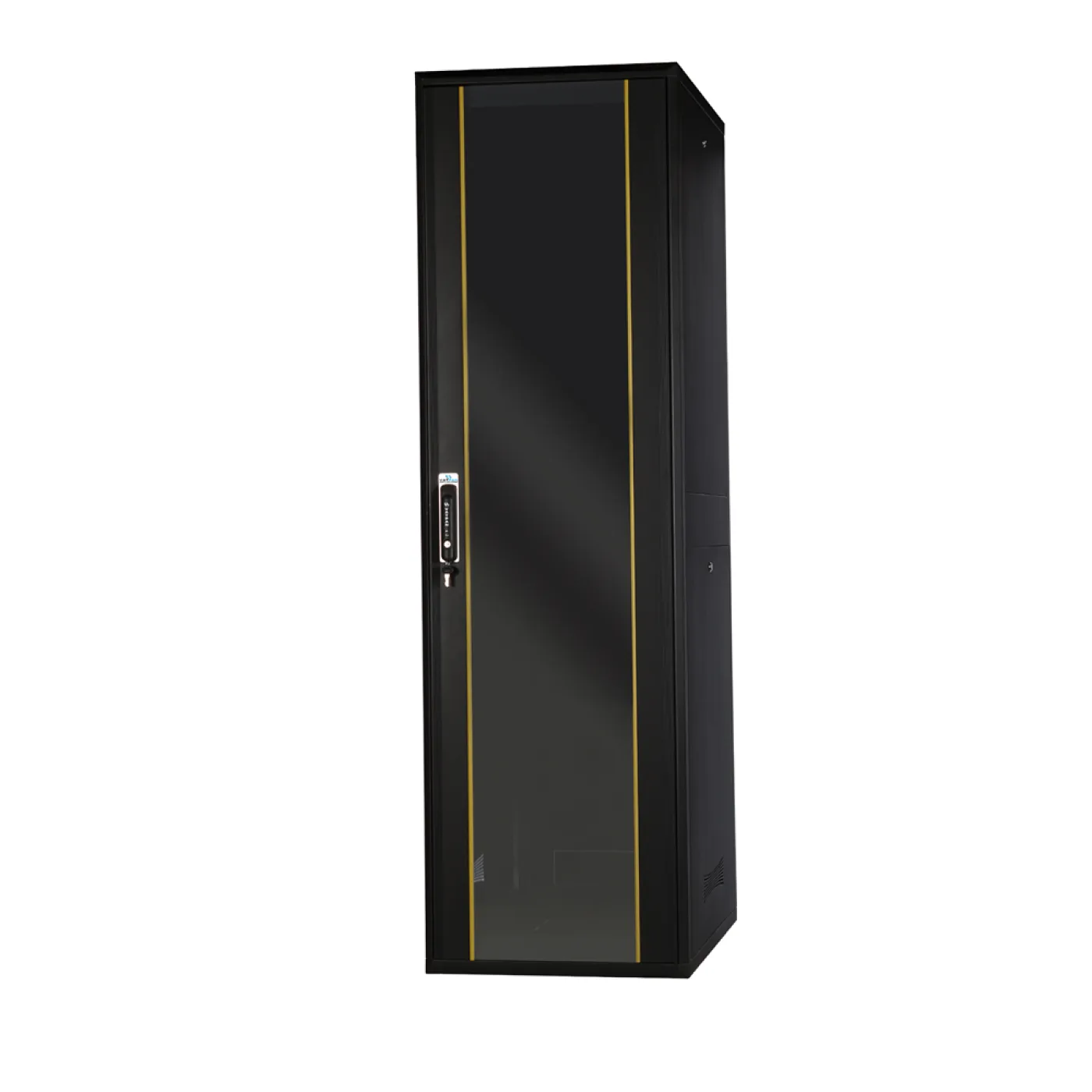
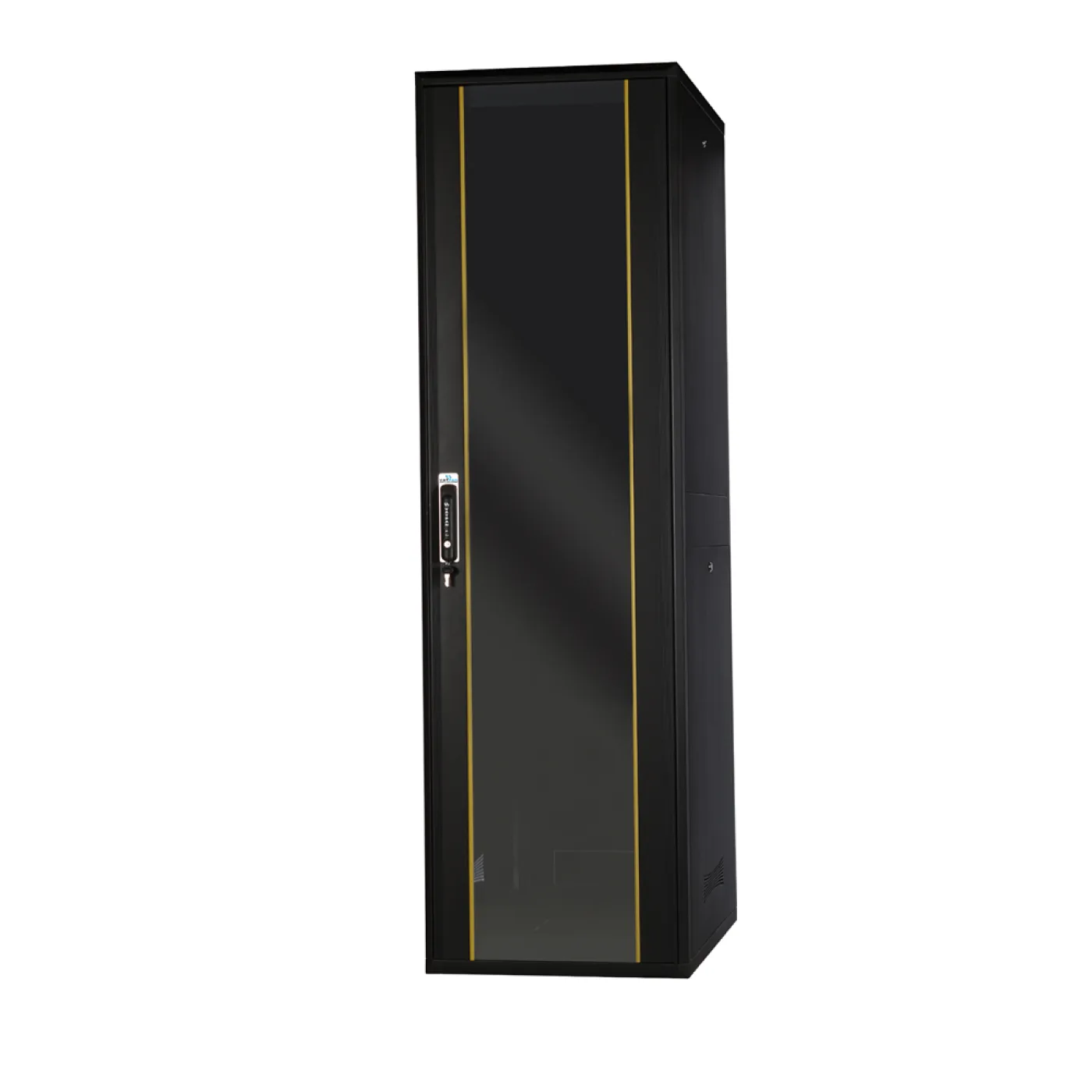
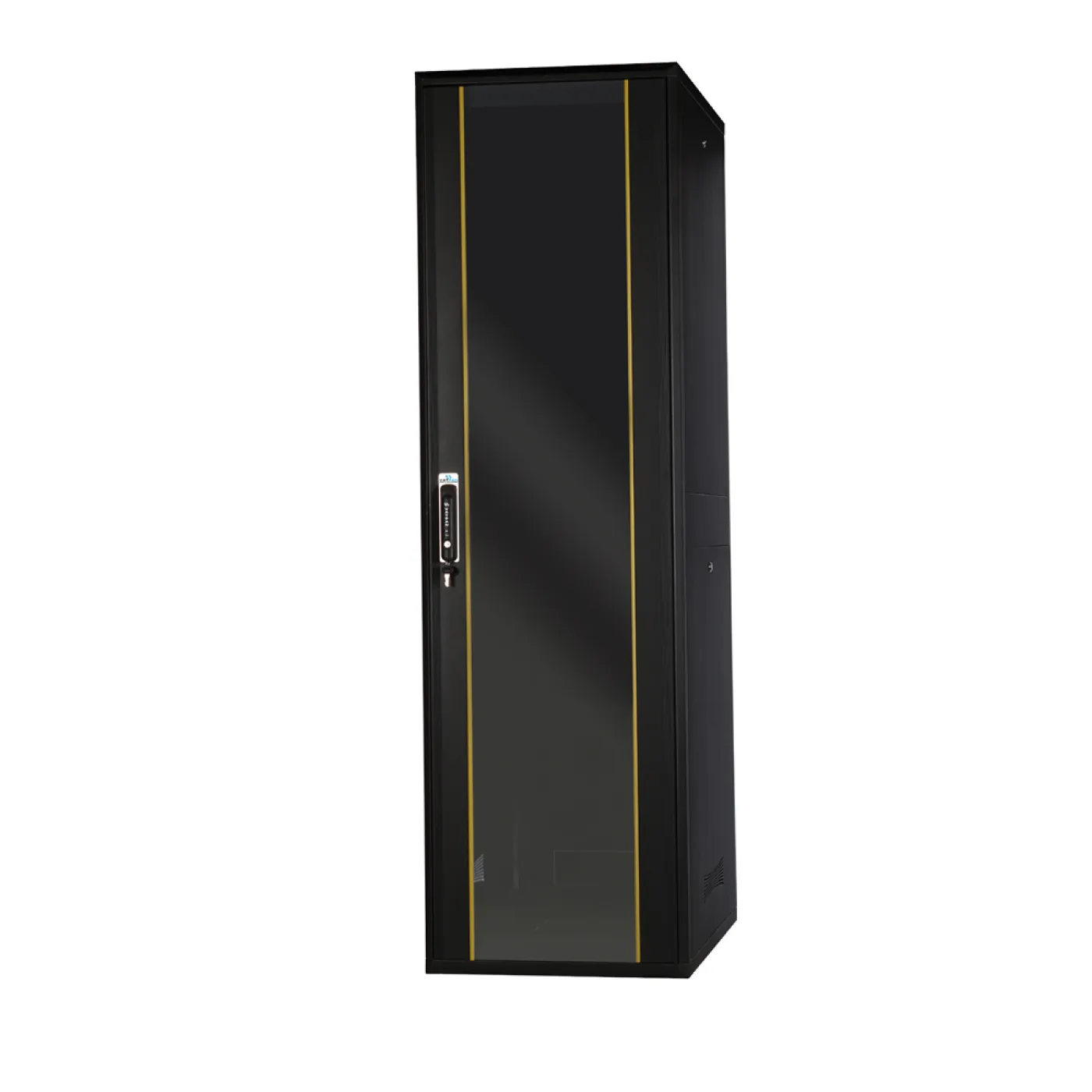
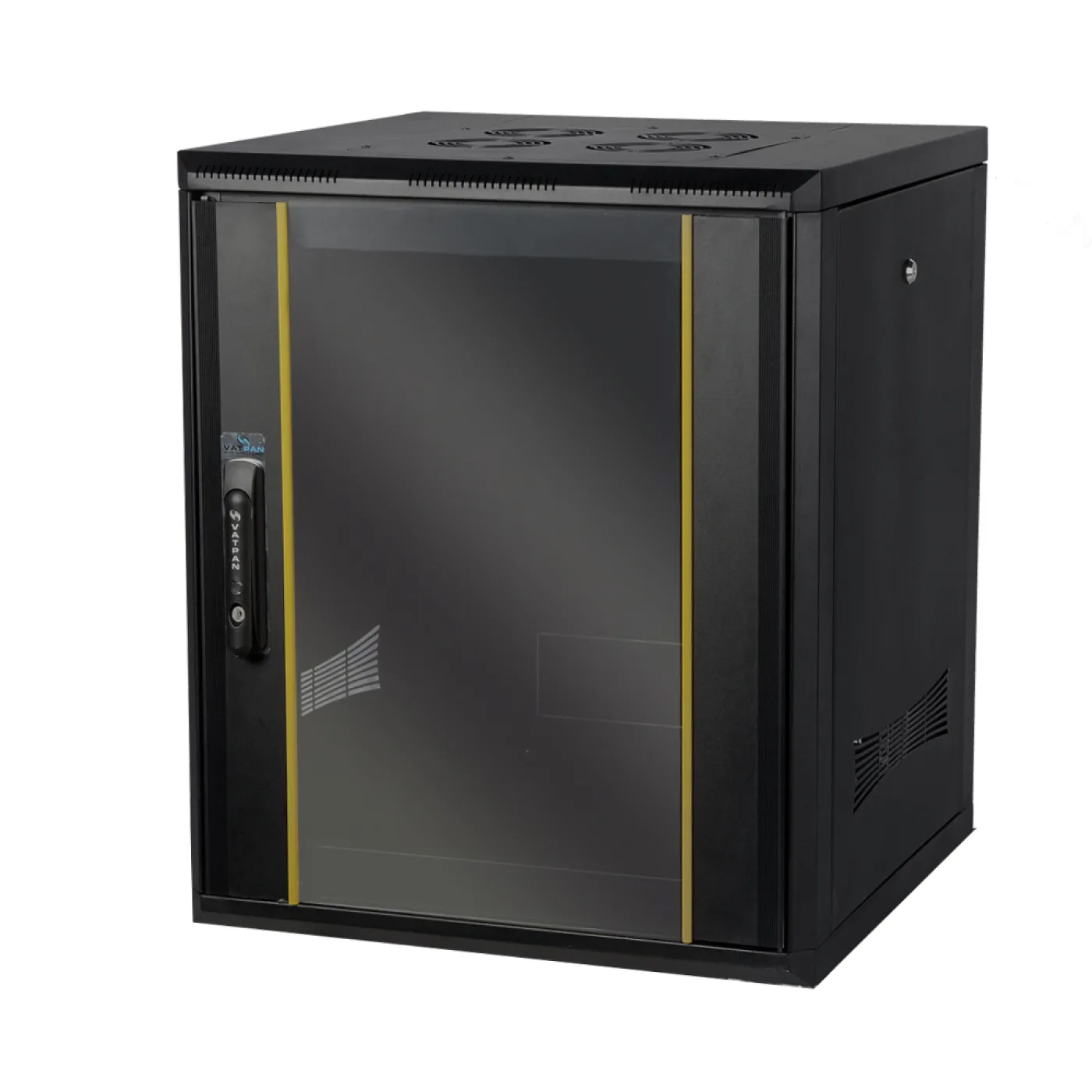
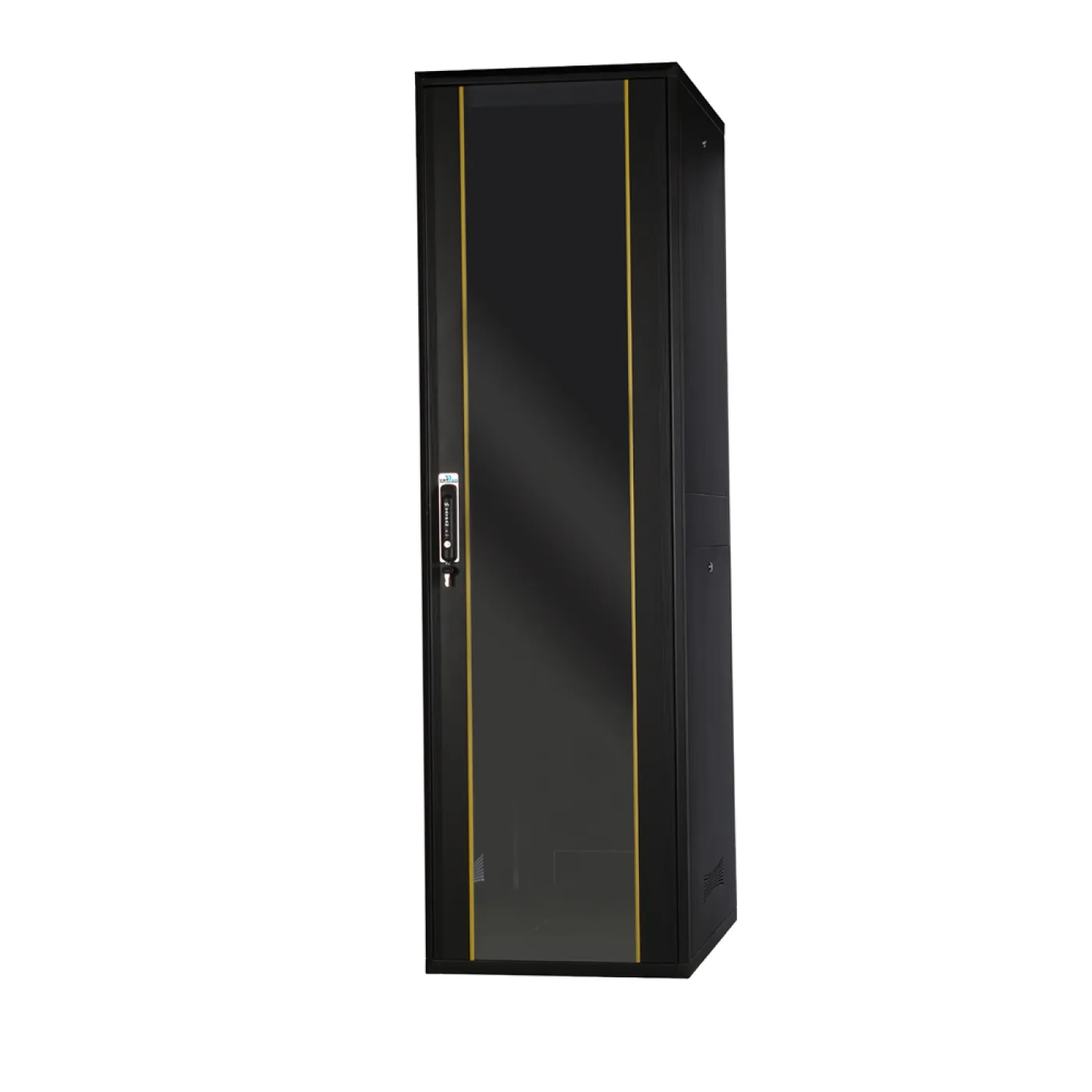
Our floor-standing rack cabinet family offers fifteen heights between 12U and 47U: 12, 16, 18, 20, 22, 24, 26, 28, 30, 34, 36, 38, 42, 45 and 47U. Each height is produced in 600 mm and 800 mm widths and 600 / 800 / 1000 mm depths — 95 active bodies in this family altogether.
Once the height is settled, the next question is depth, and depth sends more projects wrong than height ever does. The products below are the 600×800 mm version of each height, each with its own 3D preview.