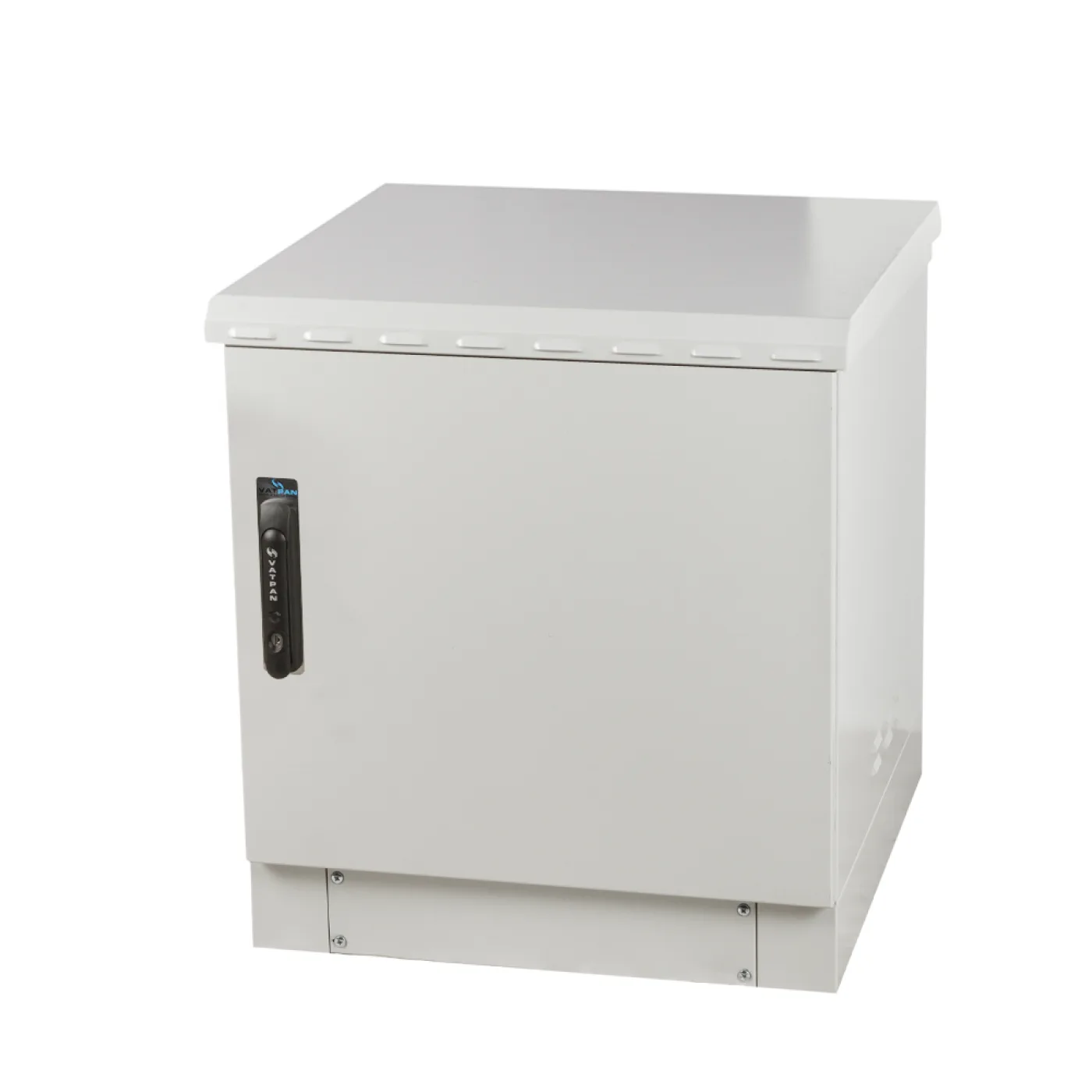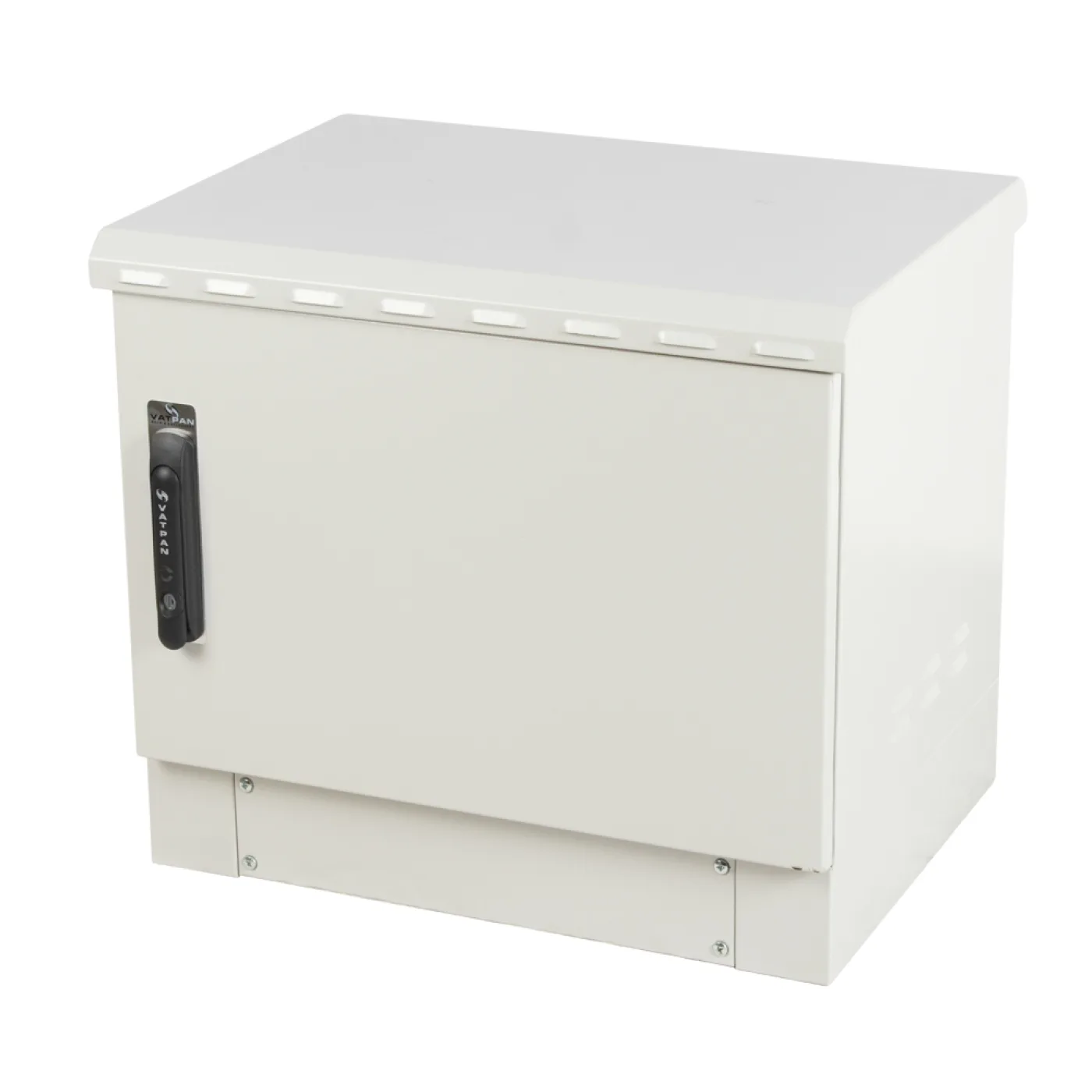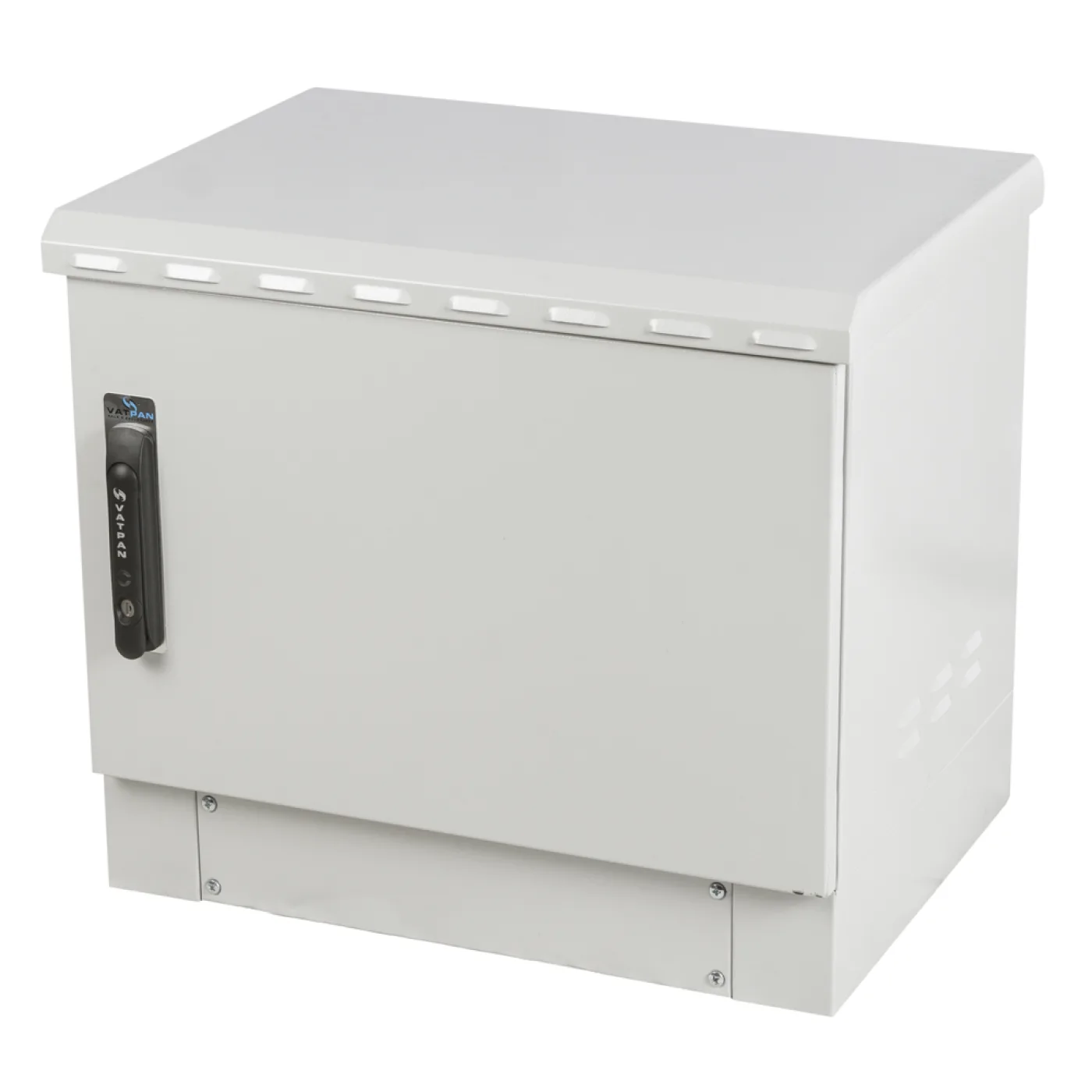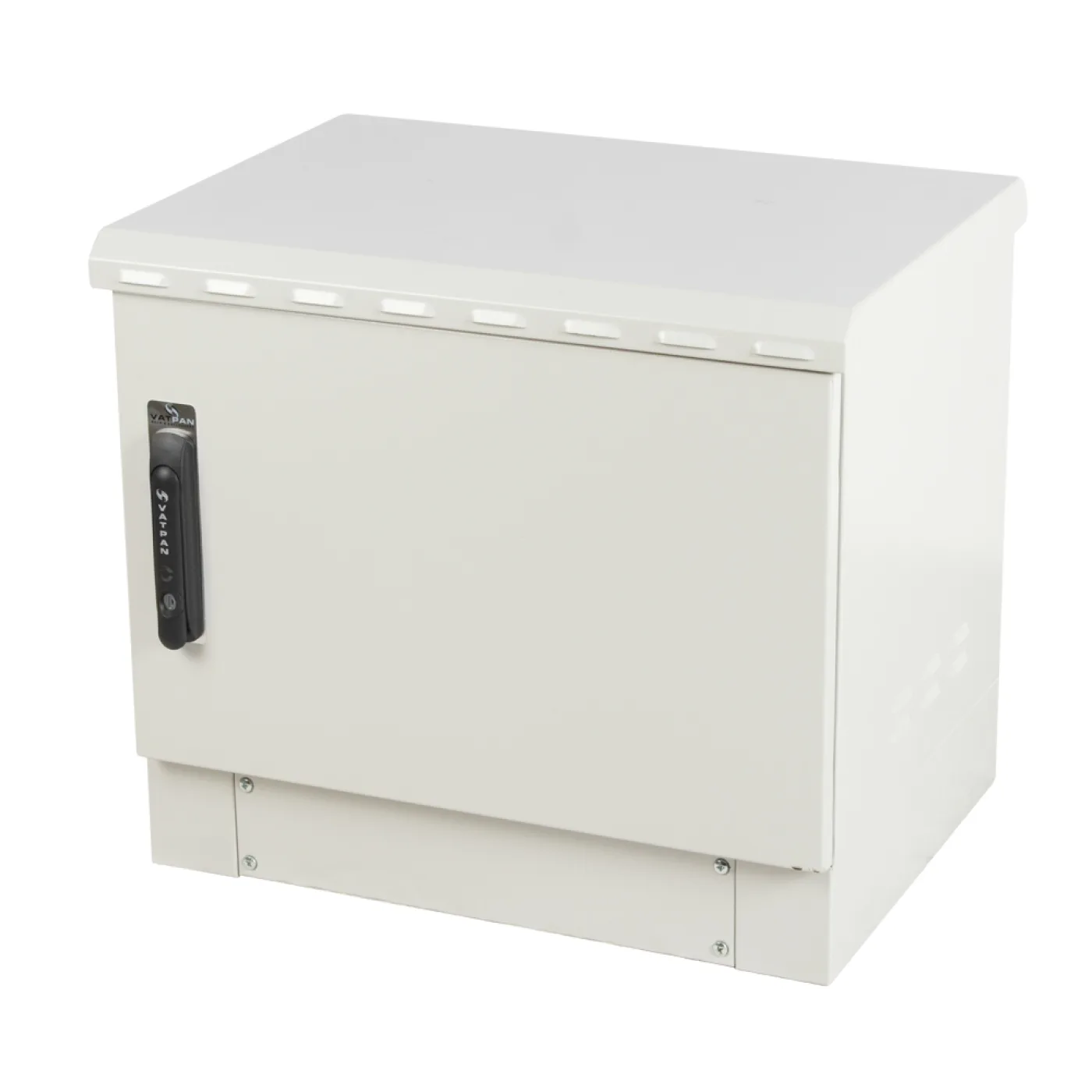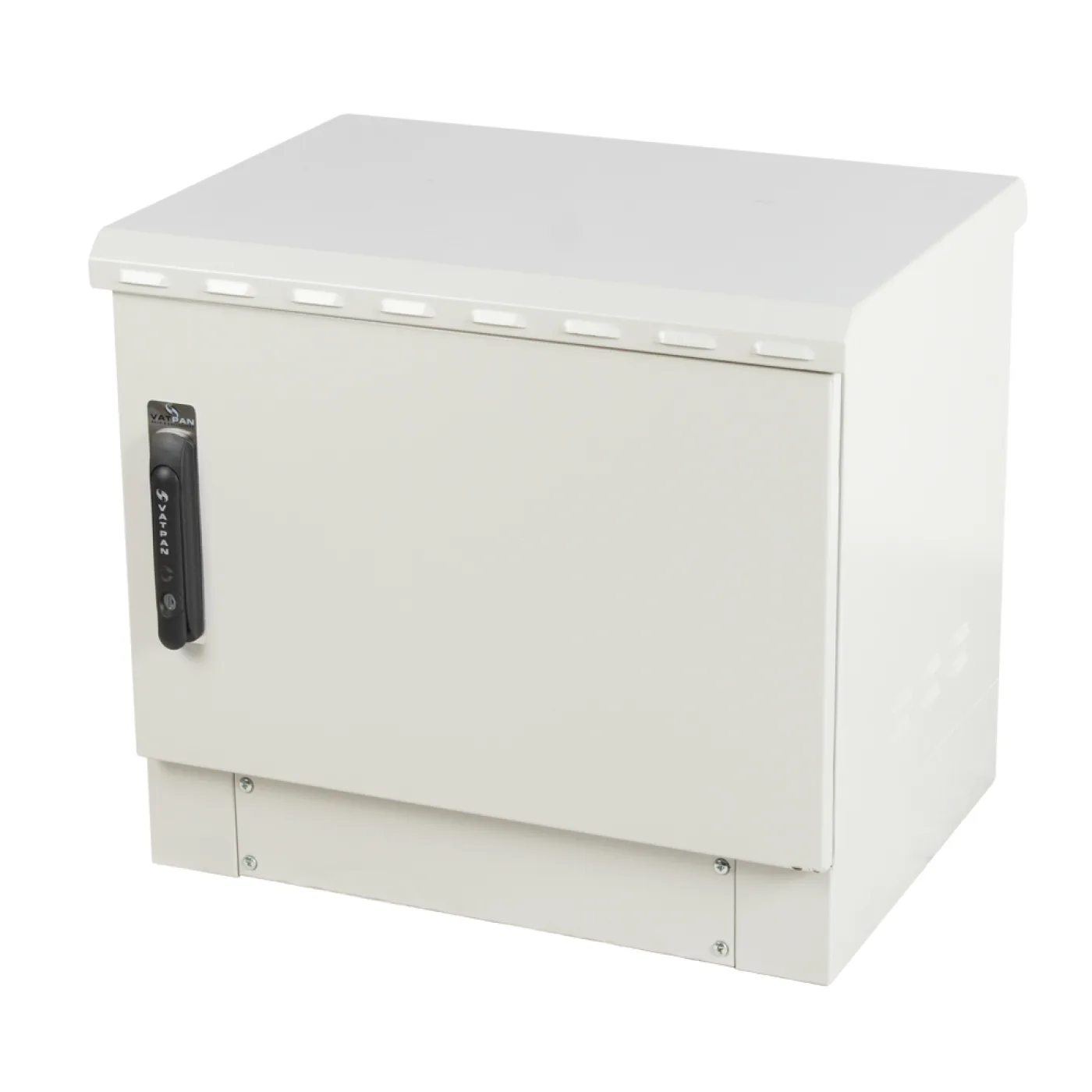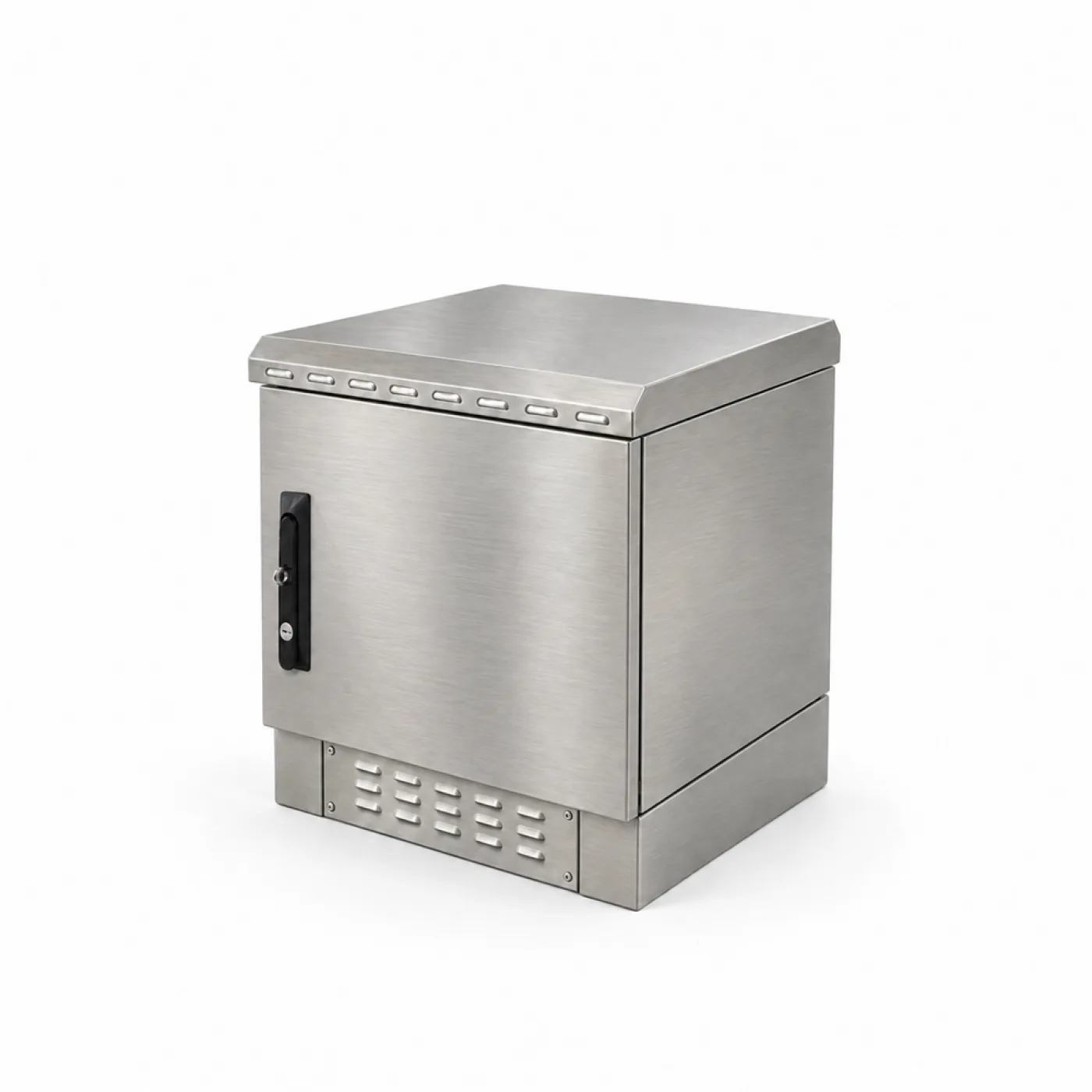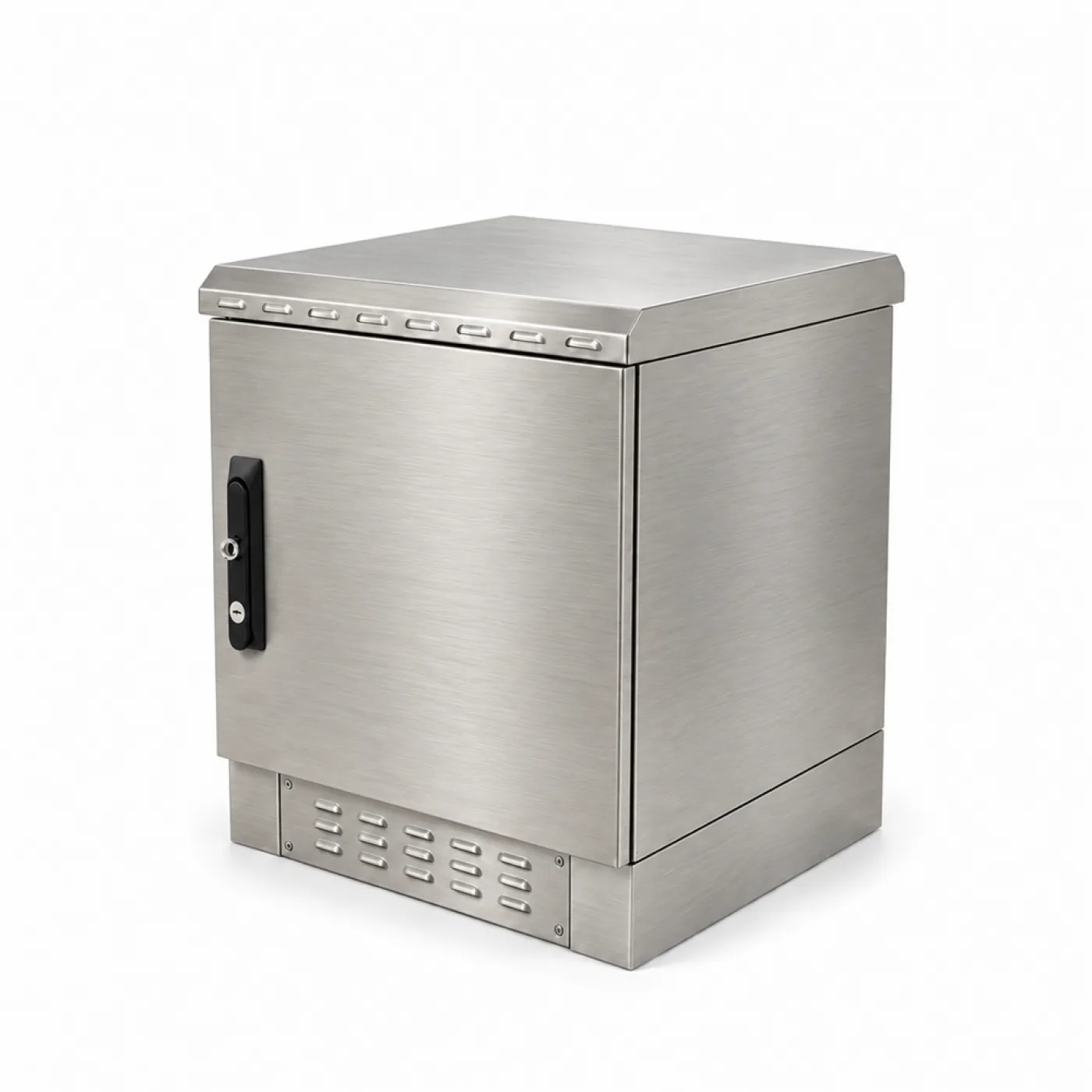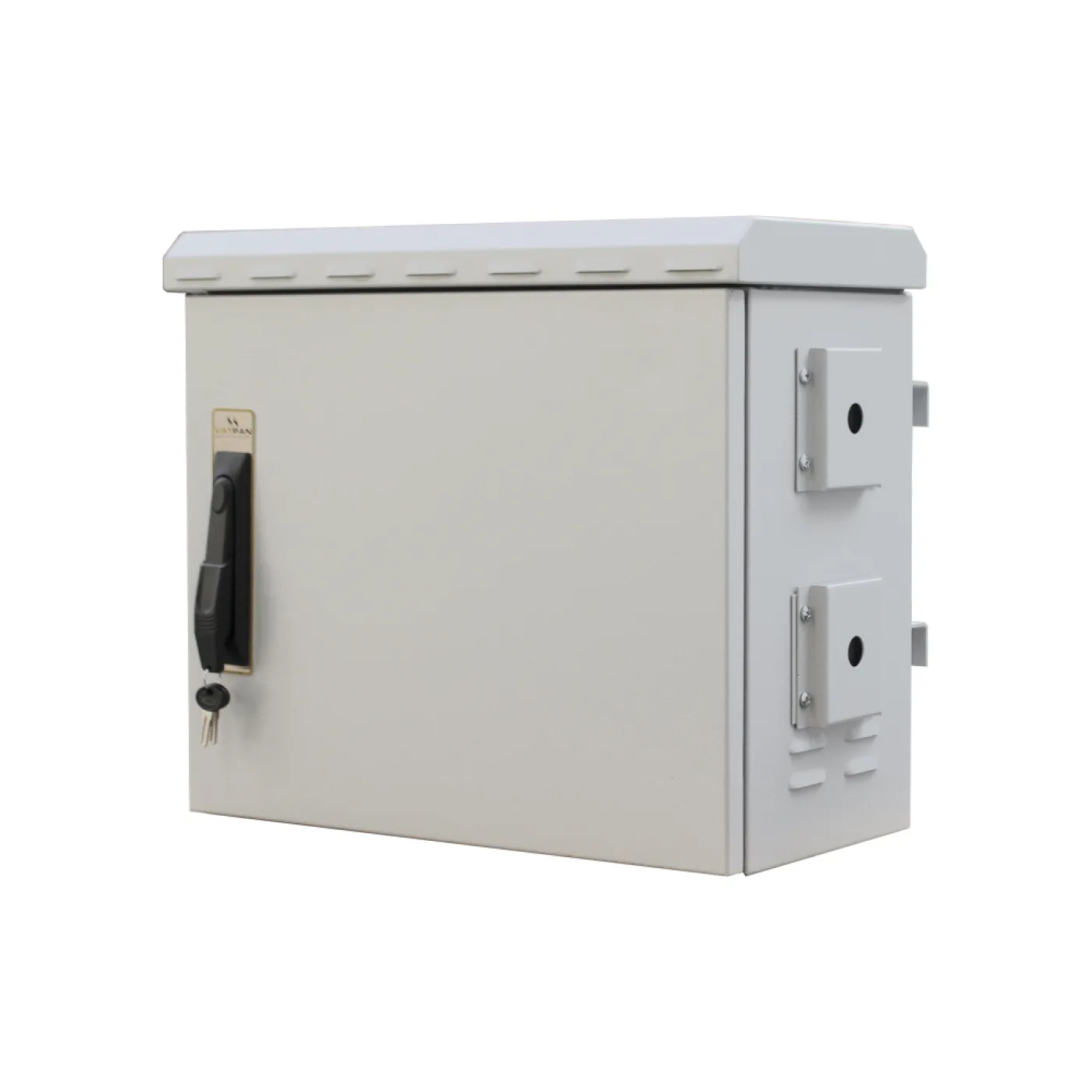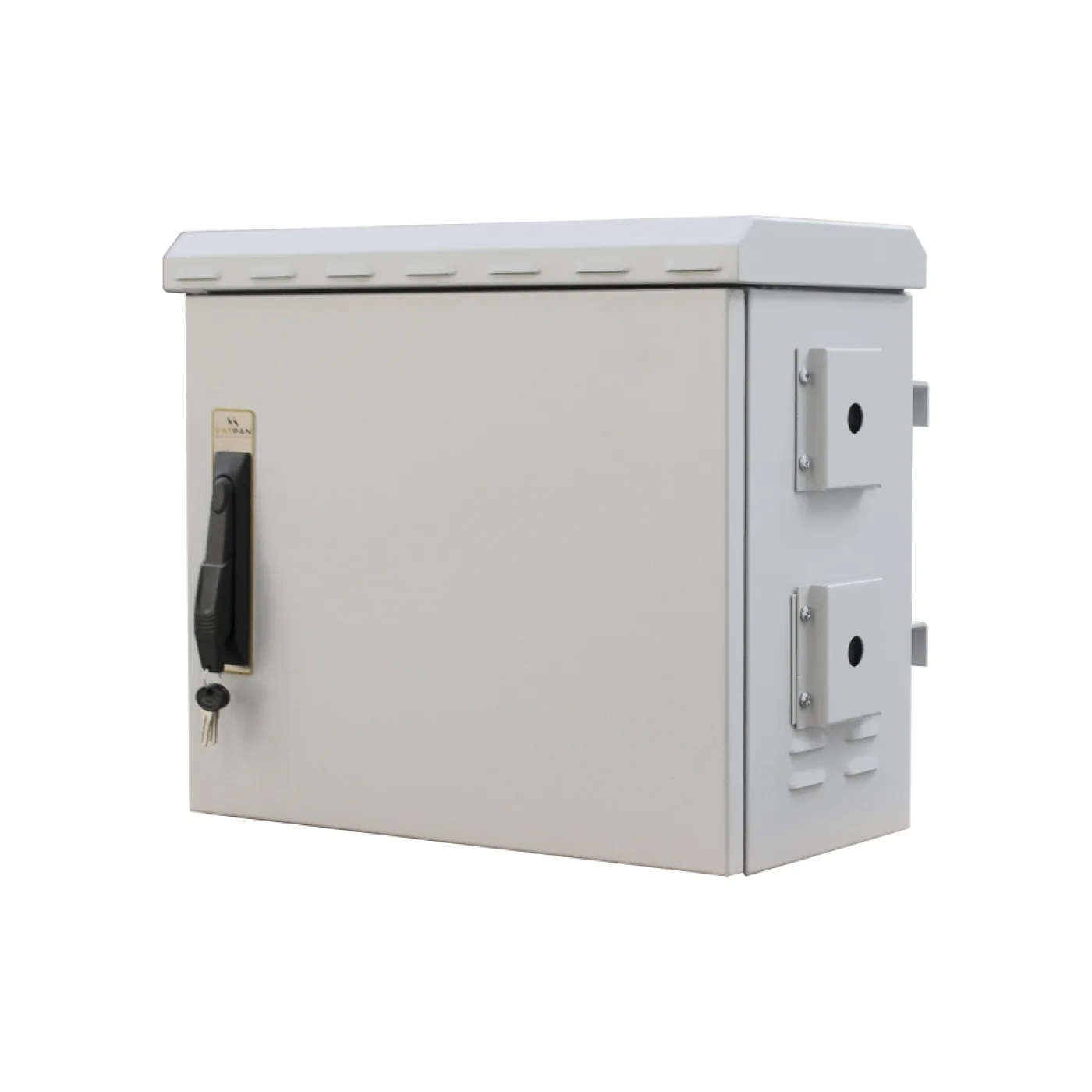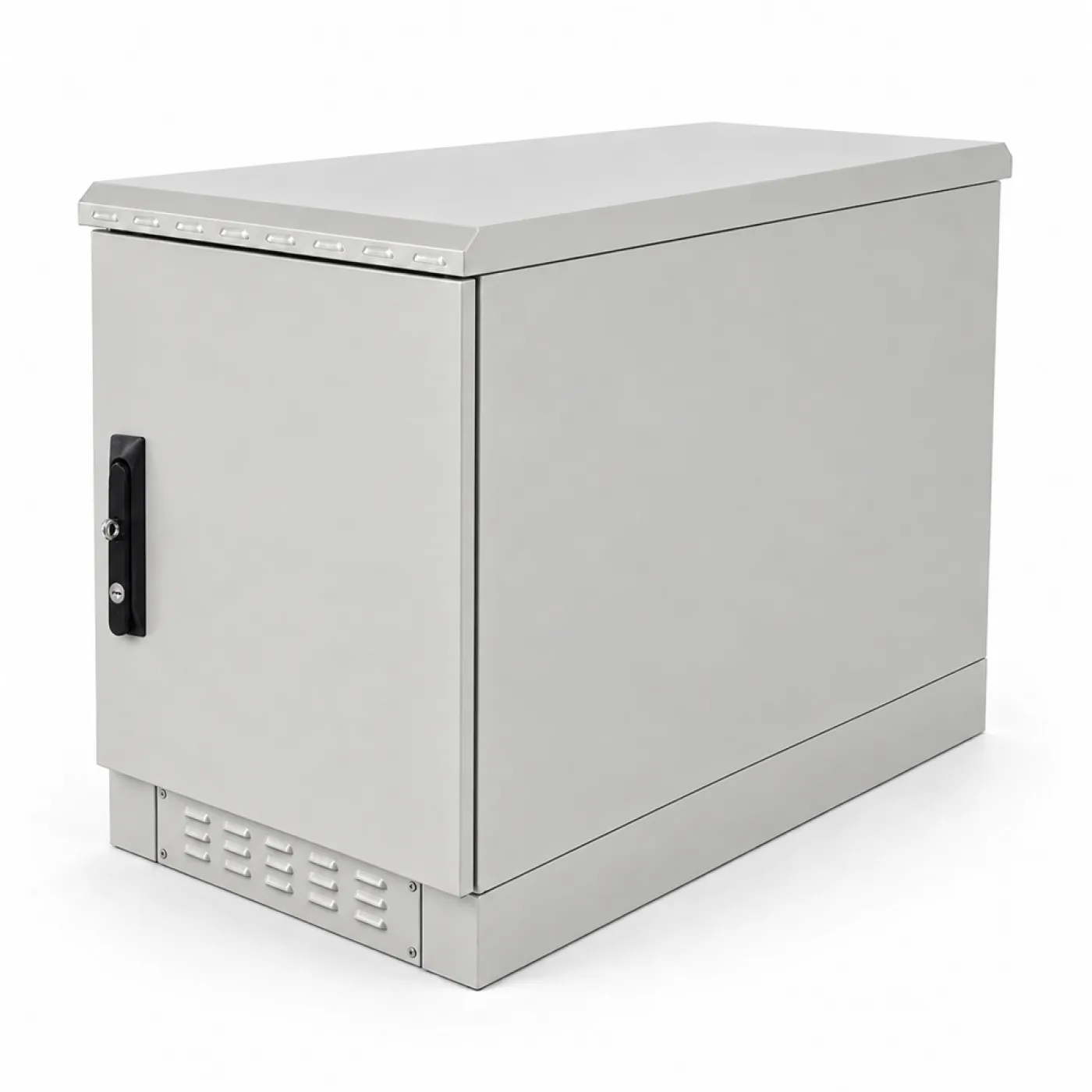
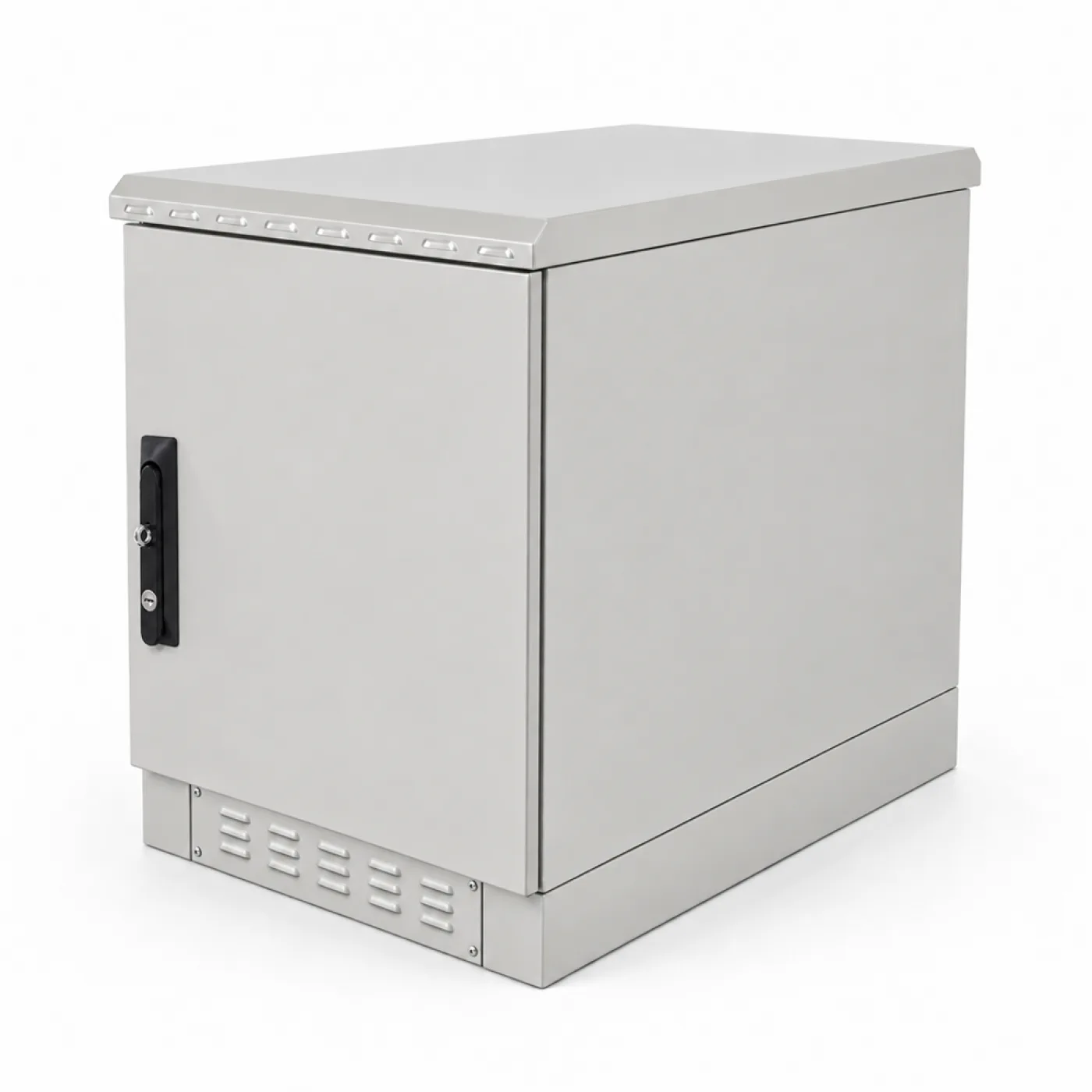
The IP rating is the number people look at hardest when choosing an outdoor cabinet — and the one most often misread. The datasheet says IP65, a fan goes in on site, and the cabinet is no longer IP65. This article covers what those two digits mean, the real difference between them, and why ventilation and sealing eat each other.
The two digits of an IP code
The IP code is defined by IEC 60529. The two digits describe two separate things and are independent of one another:
- First digit — solids and dust. It runs from 0 to 6. A 5 means "dust-protected" (dust enters, but not in a harmful quantity); a 6 means "dust-tight" (none enters).
- Second digit — water. It runs from 0 to 9. A 4 means splashing water from any direction, a 5 low-pressure water jets, a 6 powerful water jets.
The four ratings you meet on outdoor cabinets therefore mean:
| Rating | Dust | Water | In practice |
|---|---|---|---|
| IP54 | Dust-protected | Splashing from any direction | The ceiling for a ventilated cabinet |
| IP55 | Dust-protected | Low-pressure jets | Survives rain and hosing; dust gets in |
| IP65 | Dust-tight | Low-pressure jets | The standard target for a sealed body |
| IP66 | Dust-tight | Powerful jets | Pressure washing, coastal wind, driving rain |
None of them covers immersion. IP65 and IP66 withstand water jets, not being underwater. Where there is a flooding risk — a chamber or a pit — what has to change is the cabinet's position, not its IP rating.
What really separates IP65 from IP66?
The first digit is the same: both are dust-tight. The only difference is the severity of the water test. IP65 uses a jet from a 6.3 mm nozzle; IP66 uses a far higher flow from a 12.5 mm nozzle.
In practice that means IP65 is more than enough for ordinary rain, snow and hosing down. The cases that genuinely call for IP66 are narrower: plants that are pressure-washed, coastal sites with constant salt wind and driving rain, vehicle washing and food facilities cleaned by washing down. Paying for IP66 on a roadside camera pole is usually unnecessary.
The point that matters most: a fan lowers the rating
This is the most frequently skipped line in a datasheet and the biggest surprise on site. Dust-tight means the body has no opening through which dust can pass. A filtered fan opening is, by definition, an opening. So:
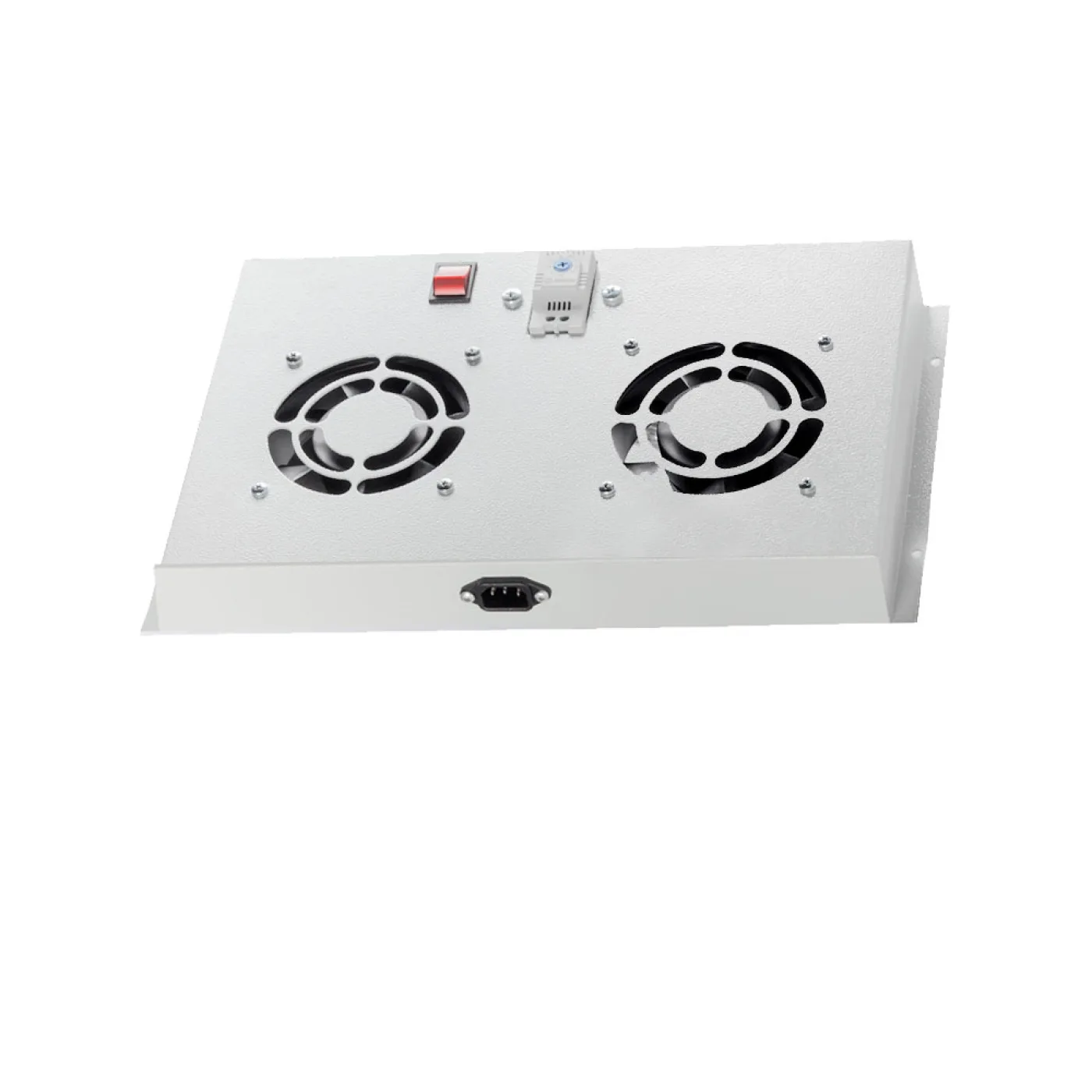
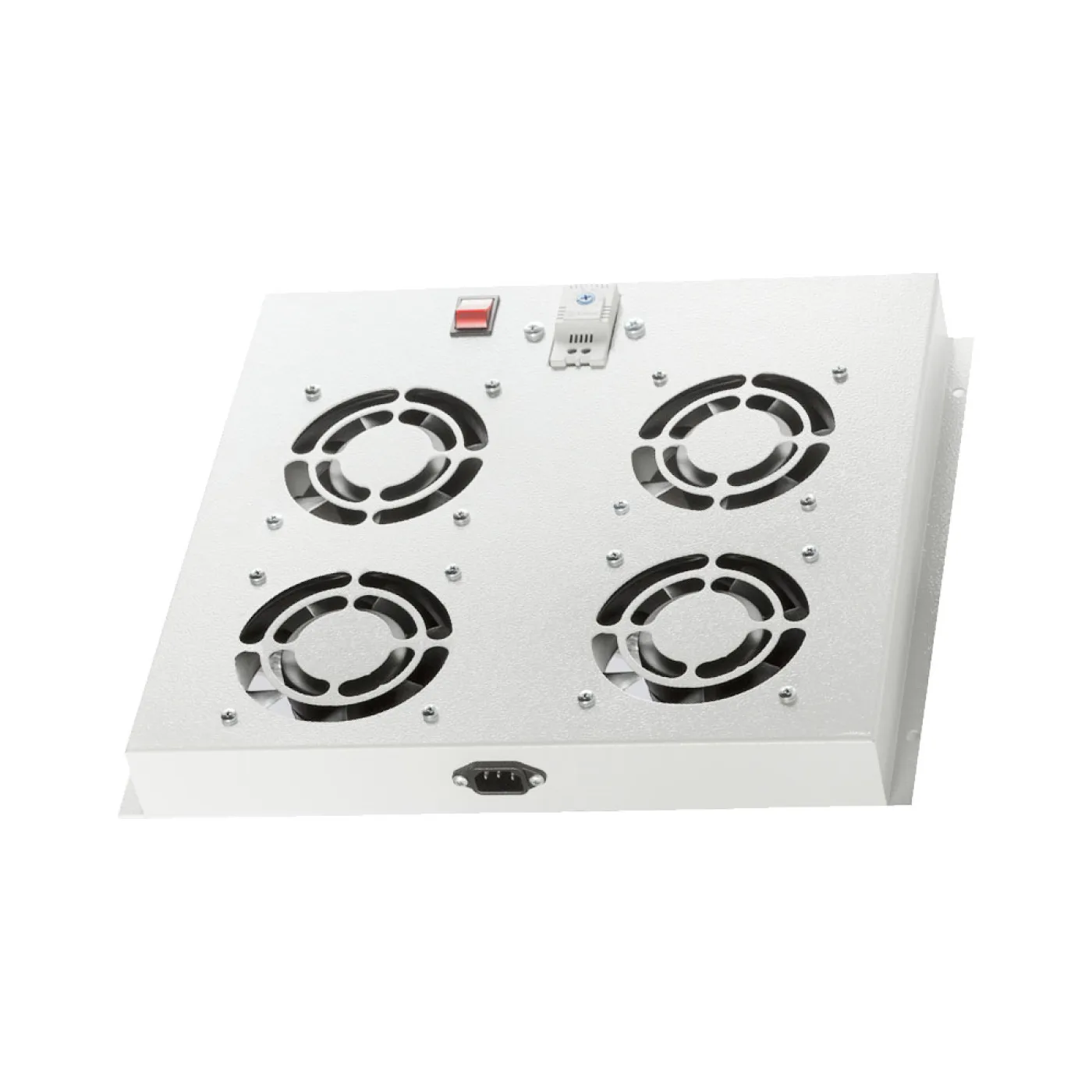
When a fan and filter are fitted to a sealed IP65 body, the cabinet drops to IP54. Most of the outdoor cabinets in our catalogue state that pair together, because that is what is true: IP65 while sealed, IP54 once ventilated.
This is not a defect, it is physics. But it changes the decision:
- If dust is not a problem — a cool climate, a clean environment — then fan and filter is the cheapest and most maintenance-free answer, and IP54 is acceptable.
- If dust is a problem — desert, construction site, farmland, roadside — you have to cool it without making an opening. That means a closed loop: a heat exchanger or an air conditioner. The cabinet stays IP65.
So the real question is not "what IP do I want" but "how am I going to cool it". They are the same decision.
IP, NEMA and UL are not the same thing
An important warning for anyone selling into North America: IP66 is not the equivalent of NEMA 4X, and there is no accepted conversion table between them. NEMA enclosure types also cover corrosion, ice formation and oil — things IP does not measure at all — and the certification process is separate.
Describing a product as "NEMA 4X equivalent" or "UL Listed" without the certificate is, beyond being technically wrong, a commercial risk. VATPAN product pages state the IP rating only; no NEMA or UL claim is made.
A practical choice by application
| Application | Target |
|---|---|
| Roadside CCTV / camera pole | IP55–IP65 body, double wall, ventilated (drops to IP54) |
| Telecom street cabinet, urban | Sealed IP65 body plus a heat exchanger |
| Coastal, salt air | IP65/IP66 stainless steel body |
| Construction, mining, agriculture | Sealed IP65 body plus air conditioning; no fans |
| Pressure-washed facility | IP66 |
| Shaded, mild climate, low load | IP54 with fans is enough |
Material is a decision independent of IP
An IP rating describes sealing, not corrosion resistance. In salt air, painted galvanised steel is eaten away over the years; what is needed there is not a higher IP but a 304-grade stainless steel body. Seventy-five of the bodies in our outdoor family are stainless, produced in both single- and double-wall forms.
Order of decisions
- Work out the total power (W) going into the cabinet — the cooling requirement follows from it.
- Decide whether the environment is dusty. If it is, fans are out.
- If you will use fans, aim for IP54; if not, aim for IP65.
- Step up to IP66 only for pressure washing or coastal conditions.
- Decide galvanised versus stainless separately, on corrosion risk.
Cooling is only touched on here; the choice between fan, heat exchanger and air conditioner is covered in detail in this guide's thermal management article. Whether the body should be single- or double-walled is a separate decision about solar load, and it has an article of its own.